
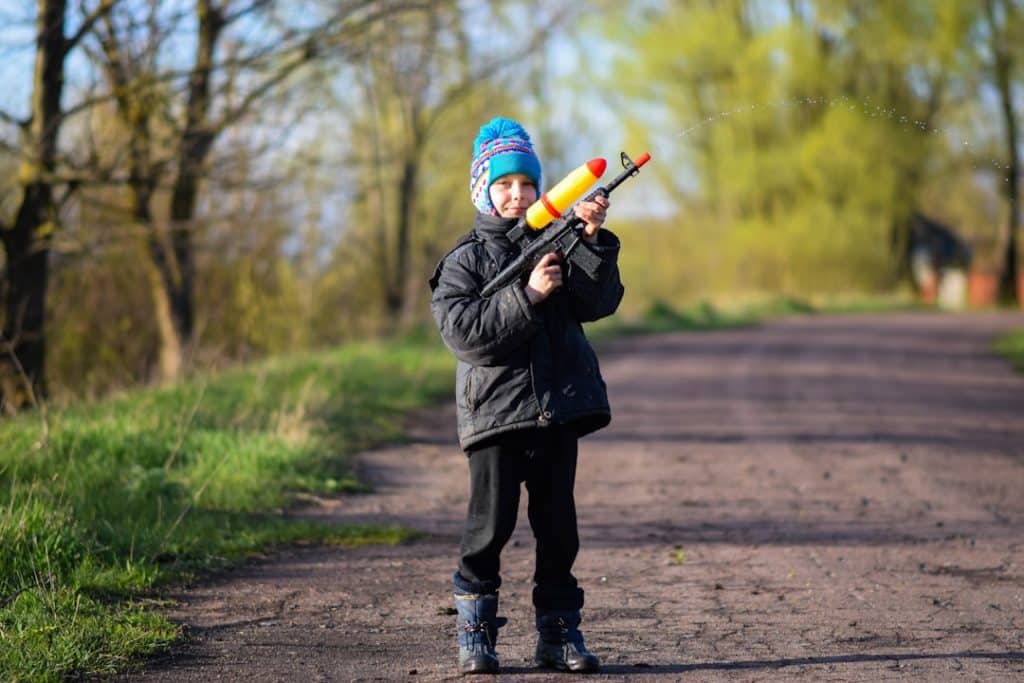
Survival Skills for Kids
In a world that is increasingly urbanized and technology-driven, the importance of survival skills for kids cannot be overstated. You may find yourself wondering why it’s essential to equip children with these skills. The answer lies in the unpredictability of life.
Whether it’s a family camping trip, a natural disaster, or getting lost in the woods, having a basic understanding of survival techniques can empower your child and instill confidence. Teaching kids survival skills not only prepares them for potential emergencies but also fosters independence, resilience, and a deeper appreciation for nature. Moreover, survival skills can serve as a valuable educational experience.
As you guide your child through various techniques, you’ll be engaging them in hands-on learning that promotes critical thinking and problem-solving. These skills are not just about surviving in the wild; they also translate into everyday life lessons. By learning how to assess risks, make informed decisions, and work collaboratively, your child will develop a toolkit of competencies that will benefit them throughout their lives.
Key Takeaways
- Teaching kids basic first aid is essential for their safety and well-being in emergencies.
- Kids should be taught how to build a shelter using natural materials to protect themselves from the elements.
- It’s important to teach kids how to find and purify water to ensure they stay hydrated in survival situations.
- Teaching kids how to start a fire safely can help them stay warm and cook food if necessary.
- Kids should be taught how to signal for help using tools such as whistles or mirrors in case of emergencies.
Teaching Kids Basic First Aid
One of the most crucial survival skills you can teach your child is basic first aid. Understanding how to respond to injuries or medical emergencies can make a significant difference in critical situations. Start by introducing your child to the concept of first aid kits and their contents.
Explain the purpose of items like band-aids, antiseptic wipes, and gauze. Please encourage them to familiarize themselves with these tools so they can quickly locate what they need in an emergency. Next, you can demonstrate simple first aid techniques, such as how to clean a wound or apply a bandage.
Role-playing scenarios can be particularly effective; for instance, you might pretend that they have a scraped knee and guide them through the steps of treating it. This hands-on approach not only reinforces their learning but also helps them feel more comfortable in applying these skills when necessary. By instilling this knowledge early on, you’re equipping your child with the confidence to handle minor injuries and understand when professional medical help is required.
Teaching Kids How to Build a Shelter

Building a shelter is another fundamental survival skill that can be both fun and educational for your child. Start by explaining the importance of having a safe place to rest and protect oneself from the elements. You can take this opportunity to discuss different types of shelters, such as tents, lean-tos, or natural structures like caves or overhangs.
Once your child understands the concept, take them outdoors for a hands-on experience. Gather materials like branches, leaves, and other natural resources to construct a simple shelter together. Encourage them to think critically about the location—away from hazards like falling branches or flooding—and the design—how to create a sturdy structure that can withstand wind or rain.
This activity not only teaches practical skills but also fosters teamwork and creativity as you work together to build something functional.
Teaching Kids How to Find and Purify Water
Water is essential for survival, making it vital for your child to learn how to find and purify it. Begin by discussing various sources of water in nature, such as streams, rivers, or even rainwater. Teach them how to identify signs of water sources while hiking or exploring outdoors.
You might even take a field trip to a local park or nature reserve where they can practice spotting these signs. Once they understand where to find water, the next step is teaching them how to purify it. Explain the importance of drinking clean water and the potential dangers of contaminated sources.
You can demonstrate methods such as boiling water or using water purification tablets. If you have access to a portable water filter, let them see how it works in real-time. This knowledge not only prepares them for emergencies but also emphasizes the significance of hydration in everyday life.
Teaching Kids How to Start a Fire Safely
Fire is an essential tool for warmth, cooking, and signaling for help, making it crucial for your child to learn how to start one safely. Begin by discussing the different methods of starting a fire, such as using matches, lighters, or friction-based techniques like the bow drill method. Emphasize the importance of safety when handling fire; this includes understanding fire’s potential dangers and knowing how to extinguish it properly.
You can create a controlled environment for your child to practice starting a fire under supervision. Gather dry leaves, twigs, and larger logs to build a small fire pit. Teach them how to arrange the materials in a way that promotes airflow and encourages combustion.
Once they successfully start a fire, discuss its uses—cooking food, providing warmth, and creating light—and remind them about fire safety rules, such as never leaving a fire unattended and ensuring it’s completely extinguished before leaving the area.
Teaching Kids How to Signal for Help

In an emergency, knowing how to signal for help can be life-saving. Start by explaining various signaling methods that can attract attention from rescuers or passersby. You might discuss visual signals, such as smoke from a fire or bright clothing, and auditory signals, like whistles or shouting.
You can engage your child in practical exercises by creating scenarios where they need to signal for help. For instance, you could simulate being lost in the woods and have them practice using a whistle or creating prominent symbols on the ground with rocks or branches that could be seen from above. This hands-on practice not only reinforces their understanding but also builds their confidence in using these techniques effectively when needed.
Teaching Kids How to Navigate and Use a Compass
Navigating through unfamiliar terrain is an invaluable skill that every child should learn. Start by introducing your child to basic navigation concepts, including understanding maps and using a compass. Explain how compasses work and how they can help determine direction when lost.
Once they grasp the theory behind navigation, take them outside for practical application. Create a simple treasure hunt where they must use a compass and a map to find hidden items. This activity will not only make learning fun but also reinforce their understanding of how to orient themselves in nature.
As they gain confidence in their navigation skills, remind them that being aware of their surroundings is just as important as knowing how to use tools.
Teaching Kids How to Identify Edible Plants and Insects
Understanding which plants and insects are safe to eat is crucial for survival in the wild. Begin by discussing the importance of knowing edible versus poisonous species. You can use field guides or apps designed for plant identification to help your child learn about local flora and fauna.
Take your child on nature walks where you can point out various plants and discuss their uses—both edible and medicinal. Please encourage them to observe their surroundings closely and ask questions about what they see. You might even consider incorporating some hands-on activities, like foraging (with caution) or cooking simple dishes using safe plants you’ve identified together.
This experience not only teaches valuable survival skills but also fosters a deeper connection with nature.
Teaching Kids How to Pack a Survival Kit
A well-prepared survival kit can make all the difference in an emergency. Begin by identifying the essential items for survival and explaining their importance. Items like water purification tablets, first aid supplies, fire-starting tools, and non-perishable food should be included in your discussion.
Involve your child in assembling their own survival kit tailored to their needs and interests. This could include personal items like a favorite snack or comfort item alongside practical tools. Encourage them to think critically about what they might need in various scenarios—whether they’re hiking, camping, or facing an emergency at home.
By taking part in this process, your child will feel more invested in their preparedness and gain valuable organizational skills.
Teaching Kids How to Stay Calm in Emergency Situations
One of the most important skills you can teach your child is how to remain calm during emergencies. Panic can cloud judgment and lead to poor decision-making; therefore, instilling techniques for managing anxiety is essential. Start by discussing common emergency scenarios they might encounter and how they could respond calmly.
Introduce relaxation techniques, such as deep breathing exercises or visualization methods, to help individuals ground themselves during stressful moments. Role-playing different emergencies can also be beneficial; practice responding calmly while discussing potential solutions together. By equipping your child with these coping strategies, you’re helping them build emotional resilience that will serve them well throughout their lives.
The Importance of Teaching Kids Survival Skills
Teaching kids survival skills is an invaluable investment in their future well-being and independence. These skills not only prepare them for potential emergencies but also foster critical thinking, problem-solving abilities, and emotional resilience that will benefit them throughout their lives. As you guide your child through learning these essential techniques—from basic first aid to navigating with a compass—you’re instilling confidence and self-reliance that will empower them in various situations.
Moreover, these experiences create lasting memories and strengthen your bond as you explore the great outdoors together. By prioritizing survival skills education, you’re not just preparing your child for unforeseen circumstances; you’re also nurturing their curiosity about nature and encouraging them to embrace challenges with courage and creativity. Ultimately, equipping children with survival skills is about more than just survival; it’s about fostering lifelong learning and resilience that will serve them well into adulthood.
When teaching survival skills to kids, it’s essential to cover a wide range of topics to ensure they are well-prepared for any situation. One crucial aspect of survival is effective communication, especially in urban environments where disasters can disrupt normal communication channels. An excellent resource to complement the lessons in “Survival Skills for Kids” is the article on Communication and Networking in Urban Disasters. This article provides valuable insights into maintaining communication during emergencies, which is a vital skill for both children and adults to master.
FAQs
What are survival skills for kids?
Survival skills for kids are essential abilities and knowledge that can help children navigate and survive in various outdoor and emergencies. These skills include basic first aid, fire building, shelter construction, navigation, and foraging for food.
Why is it important for kids to learn survival skills?
Learning survival skills can help children develop confidence, independence, and resilience. It also equips them with the knowledge and abilities to stay safe and make informed decisions in challenging situations, whether they are in the wilderness or facing an emergency at home.
What are some basic survival skills that kids should learn?
Basic survival skills for kids include how to build a shelter, start a fire, administer basic first aid, find and purify water, navigate using a map and compass, and identify edible plants and berries. These skills can be crucial in outdoor and emergencies.
How can parents teach survival skills to their kids?
Parents can teach survival skills to their kids through hands-on practice, outdoor activities, and age-appropriate training. They can also enroll their children in survival skills classes or camps, where they can learn from experienced instructors in a safe and controlled environment.
At what age can kids start learning survival skills?
Children can start learning basic survival skills at a young age, with age-appropriate activities and supervision. As they grow older, they can gradually learn more advanced skills and techniques. Parents need to assess their child’s maturity and readiness before introducing them to specific survival skills.
RELATED TOPICS ABOUT Survival Skills for Kids:
Essential Wilderness Survival Skills For Kids,
Games That Teach Survival Skills,
Kid Friendly Survival Shows,
Survival Skills For College Students,
Survival Skills For High School Students,
Survival Skills For Kids Camp,
Survival Skills For Kids Classes,
Survival Skills For Kids Worksheet,
Survival Skills With Kids,
What Is Child Survival,
Wilderness Survival Skills For Kids
===========
Content 10/10/G