
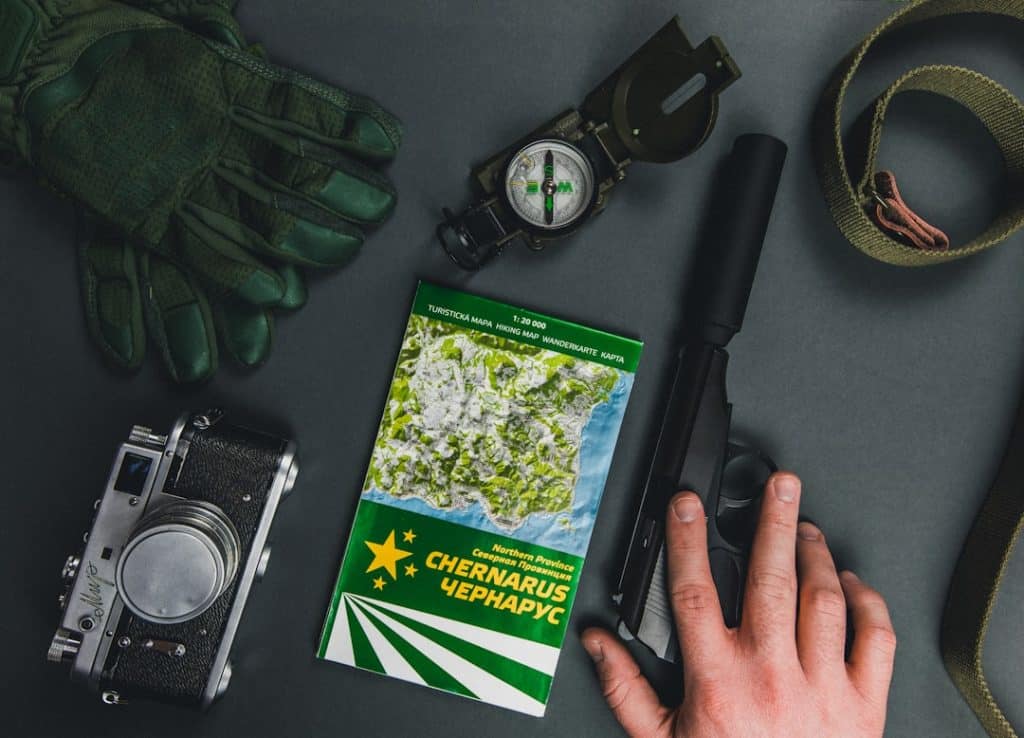
Essential Gear for Survival
When you venture into the great outdoors, whether for a weekend camping trip or an extended wilderness expedition, the importance of having the right gear cannot be overstated. Essential survival gear serves as your lifeline, providing you with the tools and resources necessary to navigate unpredictable environments. It’s not just about comfort; it’s about ensuring your safety and well-being in situations where help may be far away or even nonexistent.
The right equipment can mean the difference between a memorable adventure and a life-threatening situation. Understanding the significance of essential gear also involves recognizing that preparation is key. You may find yourself in scenarios where weather conditions change rapidly or where you encounter unexpected challenges.
By equipping yourself with the right tools, you empower yourself to handle these situations effectively. This preparation fosters confidence, allowing you to focus on enjoying your experience rather than worrying about potential pitfalls. In essence, essential gear is not merely an accessory; it is a fundamental component of your survival strategy.
Key Takeaways
- Essential gear is crucial for survival in outdoor and emergencies
- Tents, sleeping bags, and tarps provide shelter and protection
- Water purification can be achieved with filters, tablets, and containers
- Fire-starting tools like lighters, matches, and fire starters are essential for warmth and cooking
- Navigation and communication are facilitated by compasses, maps, and whistles
Shelter and Protection: Tents, Sleeping Bags, and Tarps
When it comes to survival, shelter is one of the most critical elements to consider. A reliable tent can provide you with protection from the elements, whether it’s rain, wind, or extreme temperatures. Choosing a tent that suits your needs involves considering factors such as size, weight, and ease of setup.
A lightweight tent is ideal for backpacking, while a more robust model may be necessary for harsher conditions. Regardless of your choice, having a dependable shelter can significantly enhance your comfort and safety in the wilderness. In addition to tents, sleeping bags play a vital role in ensuring a good night’s rest.
A quality sleeping bag not only keeps you warm but also provides insulation against the cold ground. When selecting a sleeping bag, pay attention to its temperature rating and material. A bag that is too thin may leave you shivering at night, while one that is too bulky can weigh you down during your hike.
Tarps are another versatile option for shelter; they can be used as ground cover, rain protection, or even as an improvised tent. By incorporating these elements into your gear list, you create a solid foundation for your outdoor experience.
Water Purification: Filters, Tablets, and Containers

Water is essential for survival, and ensuring that you have access to clean drinking water should be a top priority on any outdoor adventure. Carrying water purification tools can save you from potential illness caused by contaminated sources. Water filters are an excellent investment; they can remove harmful bacteria and parasites from natural water sources, making them safe to drink.
Many filters are compact and lightweight, making them easy to carry in your pack. In addition to filters, water purification tablets offer a convenient alternative for treating water on the go. These tablets are typically small and easy to store, allowing you to purify water quickly when needed.
It’s essential to familiarize yourself with the instructions for use to ensure effective purification. Furthermore, having durable containers for storing water is crucial. Look for bottles that are both lightweight and leak-proof to keep your water supply secure during your travels.
By prioritizing water purification in your gear selection, you can stay hydrated and healthy throughout your journey.
Fire Starting Tools: Lighters, Matches, and Fire Starters
Fire is one of humanity’s oldest tools for survival, providing warmth, light, and a means to cook food. Therefore, having reliable fire-starting tools is essential for any outdoor excursion. Lighters are a popular choice due to their convenience and ease of use; however, they can fail in wet conditions or run out of fuel.
It’s wise to carry multiple lighters or a backup method, such as waterproof matches. Fire starters can also be invaluable in challenging conditions. These tools are designed to ignite easily and burn hot enough to catch kindling quickly.
Whether you opt for magnesium fire starters or cotton balls soaked in petroleum jelly, having a reliable fire-starting method can make all the difference when you’re trying to get a fire going in damp weather or high winds. By ensuring that you have various fire-starting options at your disposal, you enhance your ability to create warmth and cook food when needed.
Navigation and Communication: Compasses, Maps, and Whistles
In the wilderness, knowing where you are and how to get where you want to go is crucial for safety and success. A compass is an indispensable tool for navigation; it helps you orient yourself and find your way even when trails are unclear or non-existent. While GPS devices are popular today, they can fail due to battery depletion or a lack of signal.
A traditional compass does not rely on technology and can guide you through dense forests or open plains. Maps are equally crucial for navigation; they provide detailed information about terrain features, water sources, and potential hazards. Familiarizing yourself with map reading before heading out will enhance your ability to navigate effectively.
Additionally, carrying a whistle can be a lifesaver in emergencies. It allows you to signal for help without exhausting yourself by shouting. By incorporating these navigation tools into your gear collection, you equip yourself with the means to explore confidently while minimizing the risk of getting lost.
First Aid Kit: Bandages, Antiseptics, and Medications

Accidents can happen anywhere, especially in the great outdoors, where terrain can be unpredictable. Having a well-stocked first aid kit is essential for addressing minor injuries and preventing them from escalating into serious issues. Your kit should include bandages of various sizes to cover cuts and scrapes effectively.
Adhesive bandages are great for minor wounds, while larger gauze pads can be used for more significant injuries. Antiseptic wipes or solutions are also crucial for cleaning wounds before applying bandages. This step helps prevent infection and promotes healing.
Additionally, consider including over-the-counter medications such as pain relievers or antihistamines for allergic reactions. Familiarizing yourself with basic first aid techniques can further enhance your preparedness; knowing how to treat common injuries will empower you to act quickly when needed. By prioritizing first aid in your gear selection, you ensure that you’re ready to handle medical emergencies effectively.
Food and Cooking: Portable Stoves, Cookware, and Utensils
When you’re out in nature, having access to nutritious food can significantly impact your energy levels and overall experience. Portable stoves are an excellent solution for cooking meals while camping or hiking; they allow you to prepare hot food quickly and efficiently. Many modern stoves are lightweight and compact, making them easy to pack without adding excessive weight to your gear.
Cookware is another essential component of outdoor cooking; lightweight pots and pans designed for camping can withstand high heat while being easy to clean. Don’t forget utensils! A simple set of camping utensils—such as a spork or multi-tool—can make mealtime much more enjoyable.
Additionally, consider packing non-perishable food items like dehydrated meals or energy bars that are easy to prepare and provide essential nutrients during your adventure. By focusing on food and cooking gear, you ensure that you maintain your strength and morale throughout your journey.
Clothing and Footwear: Insulation, Waterproofing, and Durability
Your clothing choices can significantly influence your comfort level while exploring the outdoors. Layering is key; wearing moisture-wicking base layers helps keep sweat away from your skin while insulating layers trap heat without adding bulk. An outer layer that is both waterproof and breathable will protect you from rain while allowing perspiration to escape.
Footwear is equally essential; sturdy hiking boots provide support and traction on uneven terrain while protecting your feet from injury. Look for boots made from durable materials that offer waterproofing features if you’re likely to encounter wet conditions. Proper socks are also essential; moisture-wicking socks help prevent blisters during long hikes.
By investing in quality clothing and footwear designed for outdoor activities, you enhance your comfort and performance while minimizing the risk of injury.
Multi-Tool: Knives, Pliers, and Screwdrivers
A multi-tool is one of the most versatile pieces of gear you can carry into the wilderness. Combining several tools into one compact device allows you to tackle various tasks without needing multiple items in your pack. A good multi-tool typically includes a knife for cutting tasks—whether it’s preparing food or making kindling—as well as pliers for gripping or pulling objects.
Additionally, many multi-tools come equipped with screwdrivers and other handy implements that can assist with repairs or adjustments on the go. This versatility makes them invaluable in emergencies where quick fixes may be necessary. When selecting a multi-tool, consider its weight and size; it should be compact enough to carry comfortably while still offering the features you need most often.
By including a multi-tool in your gear collection, you equip yourself with a reliable solution for various challenges that may arise during your outdoor adventures.
Emergency Signaling: Signal Mirrors, Flares, and Whistles
In emergencies where rescue may be necessary, having practical signaling tools can increase your chances of being found quickly. Signal mirrors are lightweight yet powerful tools that reflect sunlight over long distances; they can attract attention from searchers who may be looking for you from afar. Learning how to use a signal mirror effectively can make all the difference in an emergency.
Flares are another option for signaling distress; they produce bright light that can be seen from miles away at night or during poor visibility conditions. However, flares require careful handling due to their incendiary nature. Whistles are perhaps the simplest yet most effective signaling tool; they require no batteries or fuel and can produce sound that carries over long distances without exhausting yourself like shouting would do.
By incorporating emergency signaling tools into your gear kit, you enhance your ability to communicate distress signals effectively when it matters most.
Personal Protection: Pepper Spray, Self-Defense Tools, and Emergency Whistles
While enjoying nature should primarily be about exploration and adventure, personal safety cannot be overlooked. Carrying personal protection tools such as pepper spray can provide peace of mind when venturing into remote areas where wildlife encounters or other threats may occur. Understanding how to use these tools effectively is crucial; familiarize yourself with their operation before heading out.
Self-defense tools like tactical pens or small personal alarms can also serve as deterrents against potential threats from humans or animals alike. Additionally, carrying an emergency whistle not only aids in signaling for help but can also serve as a means of scaring off unwanted attention if necessary. By prioritizing personal protection in your gear selection process, you empower yourself with confidence while exploring the great outdoors.
Equipping yourself with essential survival gear is paramount when embarking on outdoor adventures. Each category of gear plays a vital role in ensuring your safety and comfort while navigating unpredictable environments. From shelter and water purification to navigation tools and personal protection devices, being prepared allows you to focus on enjoying nature rather than worrying about potential challenges ahead.
So take the time to carefully select your gear before setting out; it could make all the difference in creating lasting memories during your outdoor experiences.
When preparing for any survival situation, having the right gear is crucial to ensure safety and readiness. In addition to the essential gear for survival, it’s important to consider protective clothing to guard against environmental hazards. For more information on this topic, you can read the related article on bug protection clothing, which provides insights into selecting the best apparel to shield yourself from insects and other outdoor threats. This complements your survival kit by adding an extra layer of defense against potential dangers in the wild.
FAQs
What is essential gear for survival?
Essential gear for survival includes items such as a first aid kit, water purification system, emergency shelter, fire-starting tools, signaling devices, and a multi-tool.
Why is it important to have essential gear for survival?
Having essential gear for survival is important because it can help individuals stay safe and prepared in emergencies, such as natural disasters or getting lost in the wilderness.
What should be included in a first aid kit for survival?
A first aid kit for survival should include items such as bandages, antiseptic wipes, gauze pads, adhesive tape, tweezers, scissors, pain relievers, and any necessary prescription medications.
What are some examples of emergency shelters for survival?
Examples of emergency shelter for survival include a lightweight tent, a tarp, an emergency bivy sack, or a space blanket.
What are some fire-starting tools for survival?
Fire-starting tools for survival include items such as waterproof matches, a lighter, a fire starter, and a magnesium fire starter.
What are some examples of signaling devices for survival?
Examples of signaling devices for survival include a whistle, a signal mirror, a flashlight, and a personal locator beacon (PLB).
What is a multi-tool, and why is it essential for survival?
A multi-tool is a versatile tool that typically includes pliers, a knife, screwdrivers, and other useful implements. It is essential for survival because it can be used for a variety of tasks, such as building shelter, preparing food, and making repairs.
Related Topics About Essential Gear for Survival:
Best Gear For Flint Whiteout Survival,
Best Gear For Jessie Whiteout Survival,
Best Gear For Lancer Whiteout Survival,
Best Gear For Molly Whiteout Survival,
Best Gear For Natalia Whiteout Survival,
Best Gear For Whiteout Survival,
Best Gear Survival Io,
Essential Gear For Survival,
Essential Items For A Survival Kit,
Essential Items For Survival In The Wild,
Essential Items For Wilderness Survival,
Essential Survival Gear For Apocalypse,
Essentials To Survive,
What Survival Gear Do I Need
==========
Content 10/10/G