
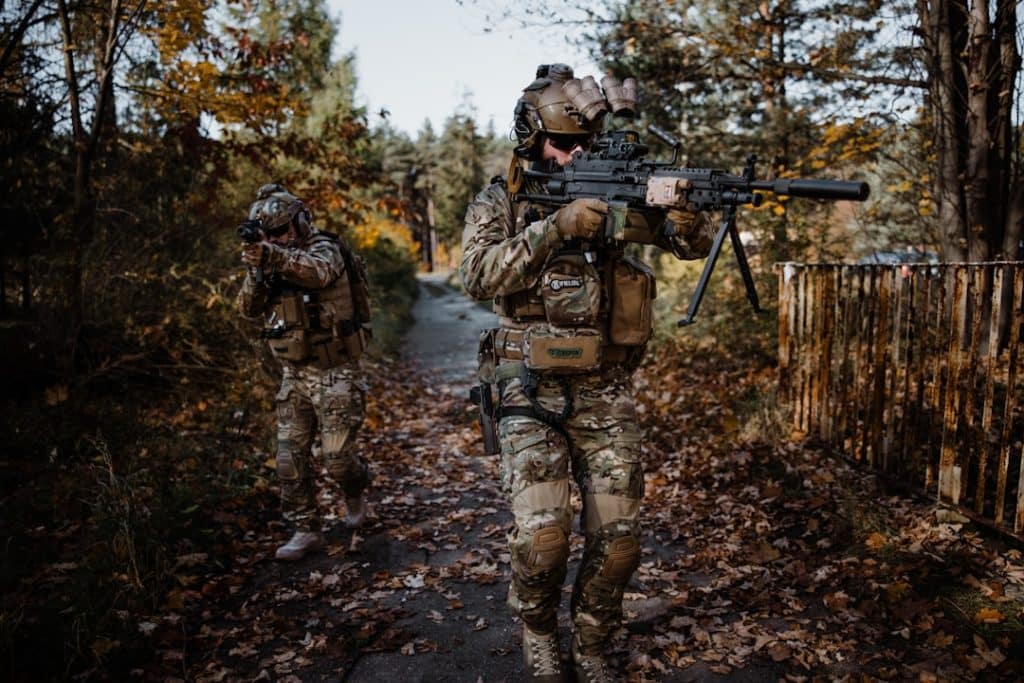
When you think about survival situations, the importance of tactical gear cannot be overstated. Whether you find yourself in a natural disaster, a wilderness adventure gone awry, or an urban emergency, having the right equipment can mean the difference between life and death. Tactical gear is designed to be durable, functional, and versatile, allowing you to adapt to various challenges that may arise.
It provides you with the tools and resources necessary to navigate through difficult circumstances, ensuring that you are prepared for whatever comes your way. Moreover, tactical gear often incorporates advanced technology and materials that enhance your chances of survival. From weather-resistant fabrics to multi-functional tools, these items are engineered to withstand harsh conditions while providing maximum utility.
By investing in quality tactical gear, you not only equip yourself with essential items but also gain peace of mind knowing that you are prepared for emergencies. This preparation can significantly reduce panic and anxiety during critical moments, allowing you to think clearly and make informed decisions.
Key Takeaways
- Tactical gear is crucial for survival in emergency situations
- A survival kit should include essential items like water, food, first aid supplies, and navigation tools
- Choosing the right tactical gear depends on individual needs and the specific survival situation
- Proper clothing and footwear are essential for protection and mobility in survival scenarios
- Tools and equipment for shelter building are important for creating a safe and secure environment
Essential Items for a Survival Kit
Creating a survival kit is a fundamental step in preparing for any emergency situation. Your kit should include a variety of essential items that cater to your specific needs and the environments you may encounter. At a minimum, consider including a reliable multi-tool, a first aid kit, water purification tablets, and non-perishable food items.
These basics will provide you with the foundational resources necessary to address immediate needs such as injury treatment, food, and hydration. In addition to these essentials, think about including items that can enhance your survival experience. A portable fire starter can be invaluable for warmth and cooking, while a compact emergency blanket can help retain body heat in cold conditions.
A flashlight with extra batteries is crucial for visibility during nighttime or low-light situations. By customizing your survival kit to include both basic necessities and additional tools, you can ensure that you are well-equipped to handle a range of scenarios.
Choosing the Right Tactical Gear for Your Needs

Selecting the right tactical gear requires careful consideration of your specific needs and circumstances. Start by assessing the environments in which you plan to use this gear. Are you preparing for outdoor adventures in remote areas, or are you more focused on urban survival?
Understanding your primary context will help you choose gear that is tailored to those conditions. For instance, if you’re venturing into the wilderness, prioritize items that offer durability and weather resistance. Additionally, consider your personal preferences and physical capabilities when choosing tactical gear.
Some individuals may prefer lightweight options for ease of movement, while others might prioritize ruggedness over weight. It’s also essential to think about the gear’s functionality; look for items that serve multiple purposes to maximize efficiency. By taking the time to evaluate your needs and preferences, you can select tactical gear that not only meets your requirements but also enhances your overall survival experience.
Clothing and Footwear for Survival Situations
In survival situations, clothing and footwear play a critical role in your overall comfort and safety. The right attire can protect you from the elements while allowing for mobility and flexibility. When selecting clothing, opt for moisture-wicking fabrics that keep you dry and insulated in varying weather conditions.
Layering is also key; it allows you to adjust your clothing based on temperature changes throughout the day. Footwear is equally important; sturdy, supportive boots can make all the difference when traversing rough terrain. Look for shoes that provide good traction and are waterproof if you’re expecting wet conditions.
Remember that blisters and discomfort can hinder your ability to move effectively in a survival scenario, so investing in high-quality footwear is essential. By prioritizing appropriate clothing and footwear, you can enhance your chances of staying safe and comfortable during challenging situations.
Tools and Equipment for Shelter Building
When it comes to survival, having the right tools for shelter building is paramount. A well-constructed shelter can protect you from harsh weather conditions and provide a sense of security in unfamiliar environments. Start by including a reliable tarp or emergency bivvy in your gear; these lightweight options can be quickly deployed to create a temporary shelter.
Additionally, consider packing a compact saw or multi-tool that includes a knife blade; these tools will allow you to gather materials from your surroundings effectively. In addition to basic tools, think about how you can enhance your shelter-building capabilities with additional equipment. A portable shovel can be useful for digging out a space for your shelter or creating drainage channels in wet conditions.
Paracord is another versatile item that can be used for securing your shelter or creating makeshift supports. By equipping yourself with the right tools and equipment for shelter building, you can ensure that you have a safe haven during challenging survival situations.
Navigation and Communication Devices

In any survival scenario, navigation and communication are crucial components of staying safe and connected. A reliable map and compass should be staples in your gear; these traditional tools do not rely on batteries or signal strength, making them dependable options in remote areas. Familiarizing yourself with how to use these tools effectively will enhance your ability to navigate through unfamiliar terrain.
In addition to traditional navigation methods, consider incorporating modern technology into your survival kit. A GPS device or smartphone with offline maps can provide additional layers of information about your surroundings. However, always have backup options available since electronic devices can fail or run out of battery life.
Communication devices such as two-way radios can also be invaluable for staying in touch with others during emergencies. By combining traditional navigation methods with modern technology, you can significantly improve your chances of finding your way in challenging situations.
First Aid and Medical Supplies
First aid knowledge is an essential aspect of survival preparedness, but having the right medical supplies on hand is equally important. A well-stocked first aid kit should include bandages, antiseptic wipes, gauze pads, adhesive tape, and pain relievers at a minimum. Additionally, consider including specialized items such as splints or burn cream based on your anticipated needs.
Understanding how to use these supplies effectively will empower you to address injuries promptly. Beyond basic supplies, it’s wise to include personal medications or any specific medical items you may require. If you have allergies or chronic conditions, ensure that your first aid kit reflects those needs.
Taking the time to familiarize yourself with first aid techniques will further enhance your preparedness; knowing how to treat common injuries can save lives in critical moments. By prioritizing first aid and medical supplies in your survival kit, you equip yourself with the tools necessary to handle health-related emergencies effectively.
Water Purification and Filtration Systems
Access to clean water is one of the most critical factors in survival situations. Without it, dehydration can set in quickly, leading to severe health complications. Therefore, investing in water purification and filtration systems is essential for any survival kit.
Portable water filters are an excellent option; they allow you to drink from natural sources while removing harmful contaminants. In addition to filters, consider including water purification tablets as a backup method for ensuring safe drinking water. These tablets are lightweight and easy to carry, making them an ideal addition to your gear.
Familiarize yourself with various water sources in your environment; knowing where to find water can significantly enhance your chances of survival. By prioritizing water purification methods in your survival preparations, you ensure that hydration remains a priority even in challenging circumstances.
Food and Cooking Supplies for Survival
While water is vital for survival, food also plays an essential role in maintaining energy levels during emergencies. When assembling your survival kit, include non-perishable food items such as energy bars, dehydrated meals, or canned goods that require minimal preparation. These options provide essential nutrients without taking up too much space in your pack.
Cooking supplies are equally important; consider packing a portable stove or cooking pot that allows you to prepare meals efficiently. A lightweight camping stove can be invaluable for boiling water or cooking food when traditional methods are unavailable. Additionally, don’t forget utensils such as a spork or knife; these tools will make meal preparation easier while conserving space in your kit.
By ensuring that you have adequate food supplies and cooking equipment on hand, you can maintain energy levels and morale during challenging survival situations.
Self-Defense and Personal Protection Gear
In uncertain environments, self-defense and personal protection gear become crucial components of your survival strategy. Depending on the situation you’re preparing for, this could range from pepper spray to more advanced self-defense tools like tactical knives or personal alarms. Understanding how to use these items effectively is just as important as having them; consider taking self-defense classes or training sessions to build confidence in their use.
Additionally, think about incorporating protective clothing into your gear—items such as tactical vests or gloves can provide an extra layer of safety during confrontations or hazardous situations. Always assess the potential risks associated with your environment when selecting self-defense gear; being prepared will empower you to respond effectively if faced with danger. By prioritizing self-defense and personal protection gear in your survival preparations, you enhance not only your safety but also your overall sense of security.
Maintenance and Care of Tactical Gear for Long-Term Use
Once you’ve invested in quality tactical gear, it’s essential to prioritize its maintenance and care for long-term use. Regularly inspect each item for signs of wear or damage; addressing issues early on can prevent more significant problems down the line. Cleaning your gear according to manufacturer instructions will help maintain its functionality while extending its lifespan.
Additionally, store your tactical gear properly when not in use; keeping it dry and protected from extreme temperatures will prevent deterioration over time. Consider creating an inventory system that allows you to track what items need replacing or servicing regularly. By taking proactive steps toward maintaining your tactical gear, you’ll ensure that it remains reliable when you need it most—ultimately enhancing your preparedness for any survival situation that may arise.
When preparing for survival situations, it’s crucial to consider not only your own needs but also those of your entire family, including pets. While tactical gear is essential for personal safety and preparedness, ensuring that your furry friends are also ready for emergencies is equally important. For more information on how to prepare your pets for unexpected situations, you can check out this related article on Pet Survival Gear: Preparing Your Furry Friends for Emergencies. This resource provides valuable insights into the necessary gear and strategies to keep your pets safe and comfortable during emergencies.
FAQs
What is tactical gear for survival?
Tactical gear for survival refers to equipment and clothing designed to help individuals survive in emergency or hostile situations. This can include items such as backpacks, clothing, footwear, knives, multi-tools, first aid kits, and other essential items for survival.
What are some common types of tactical gear for survival?
Some common types of tactical gear for survival include backpacks, hydration systems, tactical clothing, footwear, knives, multi-tools, flashlights, first aid kits, and communication devices. These items are designed to be durable, versatile, and functional in various survival scenarios.
What are the key features to look for in tactical gear for survival?
When choosing tactical gear for survival, it’s important to look for durability, versatility, functionality, and comfort. The gear should be made from high-quality materials, have multiple uses, and be suitable for the specific survival situation. Additionally, factors such as weight, size, and ease of use should be considered.
How can tactical gear for survival be used in emergency situations?
Tactical gear for survival can be used in emergency situations to provide essential tools and resources for survival. For example, a backpack can carry food, water, and other supplies, while a multi-tool can be used for various tasks such as cutting, prying, and repairing equipment. Tactical clothing and footwear can provide protection and comfort in harsh environments.
Is tactical gear for survival only for military or law enforcement use?
No, tactical gear for survival is not limited to military or law enforcement use. While it is designed to meet the needs of professionals in these fields, it is also widely used by outdoor enthusiasts, hikers, campers, and individuals preparing for emergency situations. The gear is designed to be practical and functional for anyone in need of survival tools and equipment.